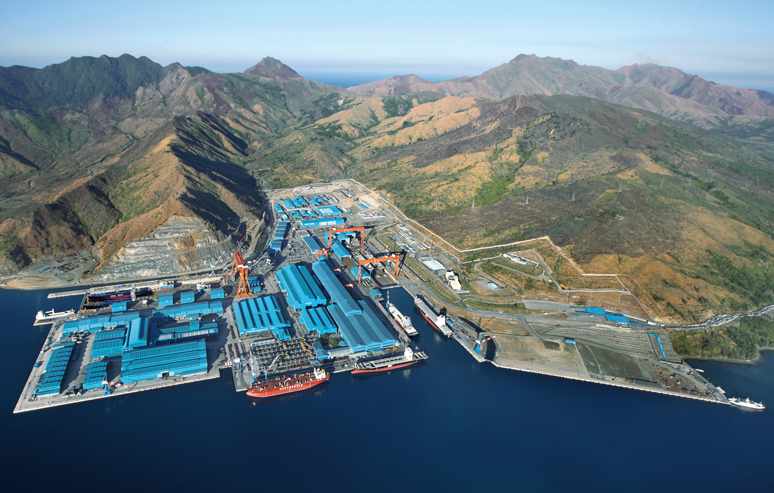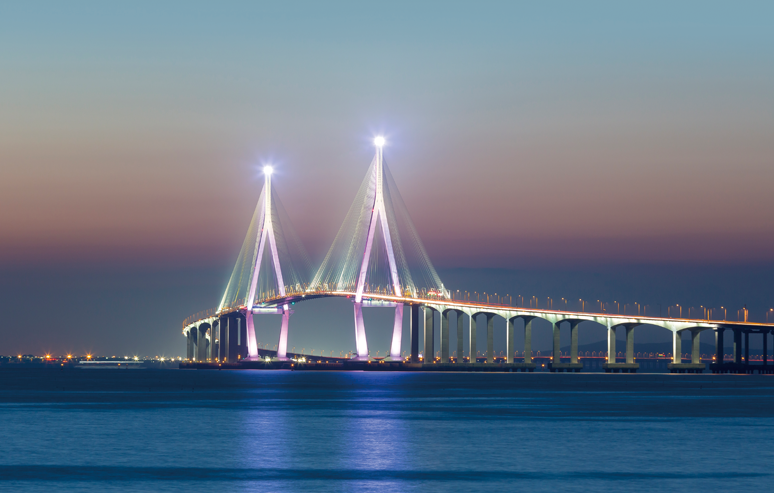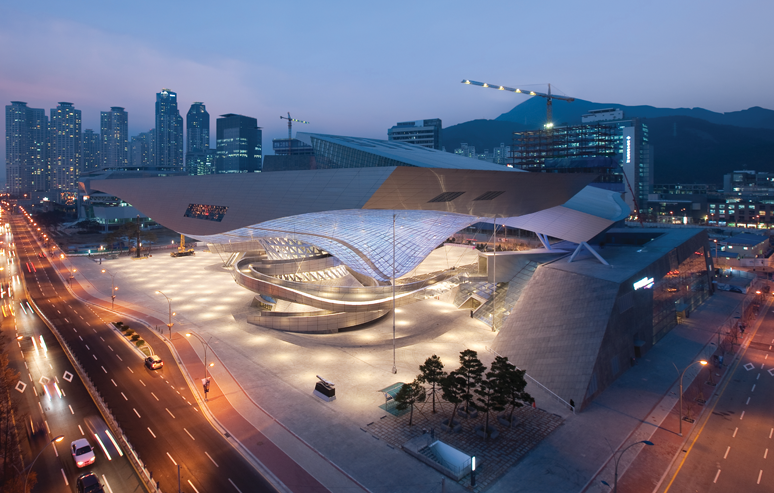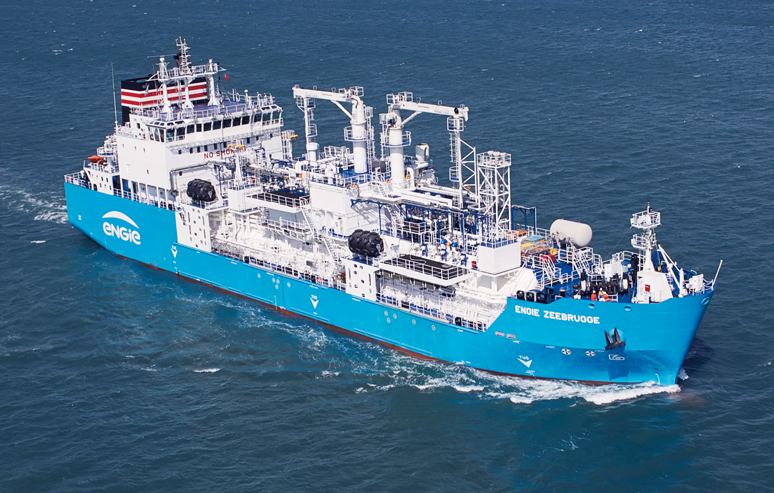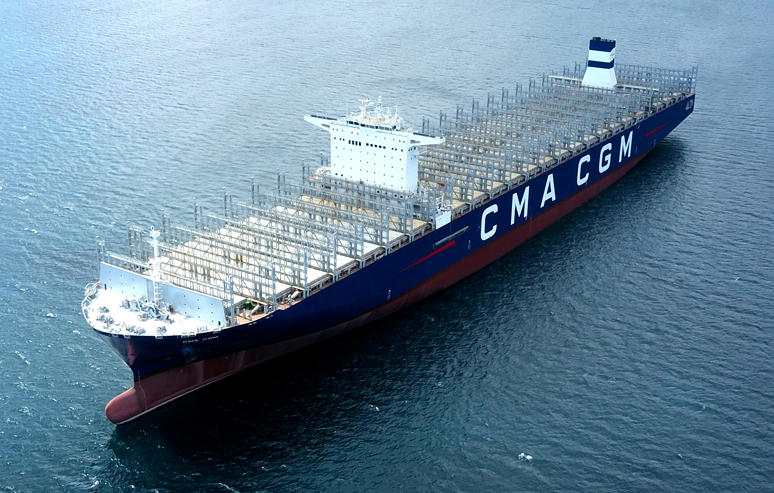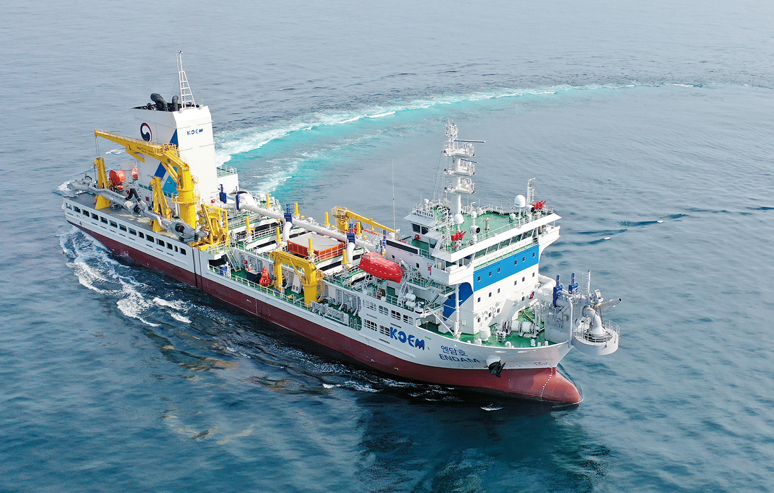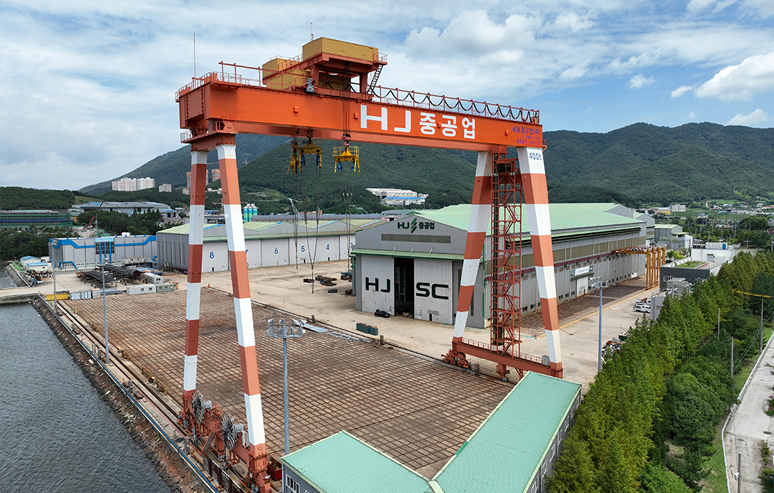
In July 1937, with the establishment of Korea’s first shipyard, an ambitious dream of building Korea into a shipbuilding nation began to take root, despite the country’s lack of capital and technology. Within just one year of its founding, the company built two 3,000-ton slipways and one 6,000-ton dock, laying the foundation for a modern shipyard capable of building steel vessels. It then successfully built Korea’s first 390-ton steel cargo ships.
The first modern shipyard in Korea to engage in a broad range of heavy-industry businesses, including shipbuilding and repair and the manufacture of machine tools and steel structures.
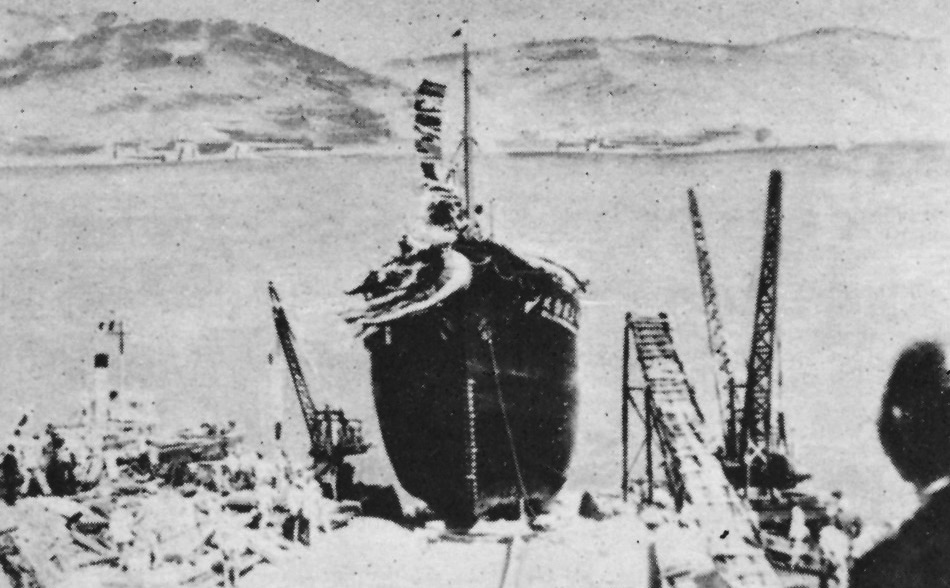
Completed two 390-ton steel cargo ships, ushering in the era of steel shipbuilding in Korea.
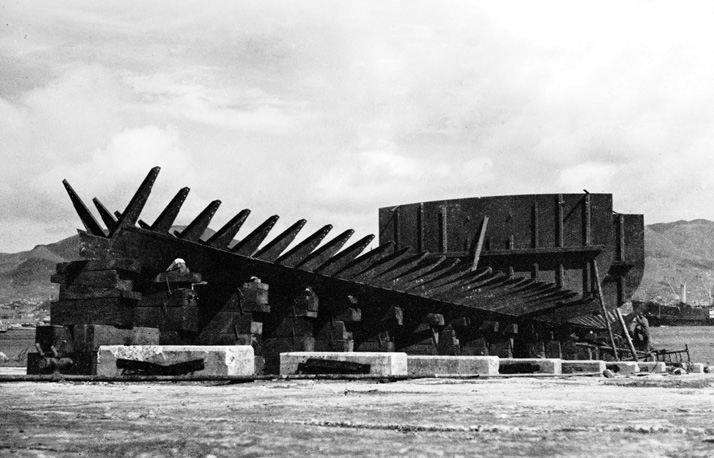
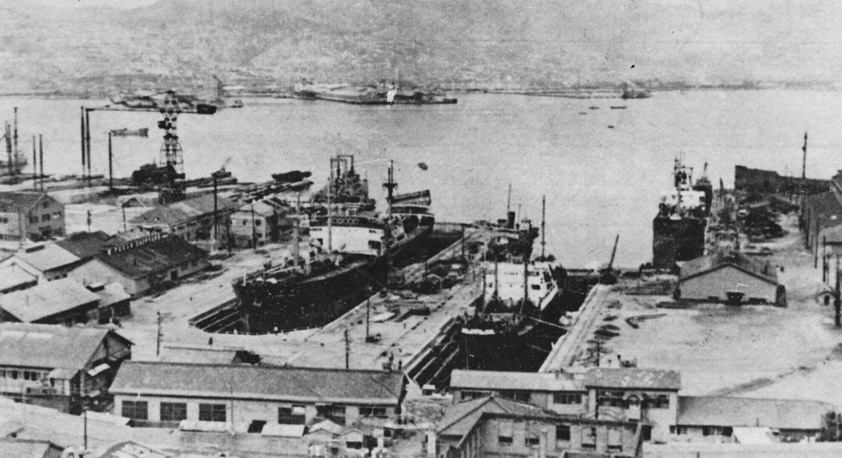
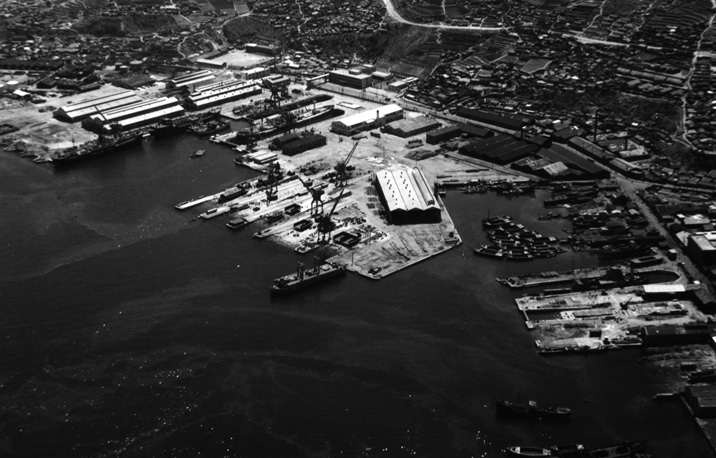
During the 1960s, the company expanded its production facilities, establishing the capacity to build six vessels of up to 12,000 tons annually and repair approximately 30 vessels of up to 20,000 tons annually. This marked the beginning of full-scale steel shipbuilding. The company also successfully completed Korea’s first steel-frame building project, laying the foundation for its unrivaled technological capabilities in construction.
Jun. 1990 Renamed Hanjin Engineering & Construction Co., Ltd.
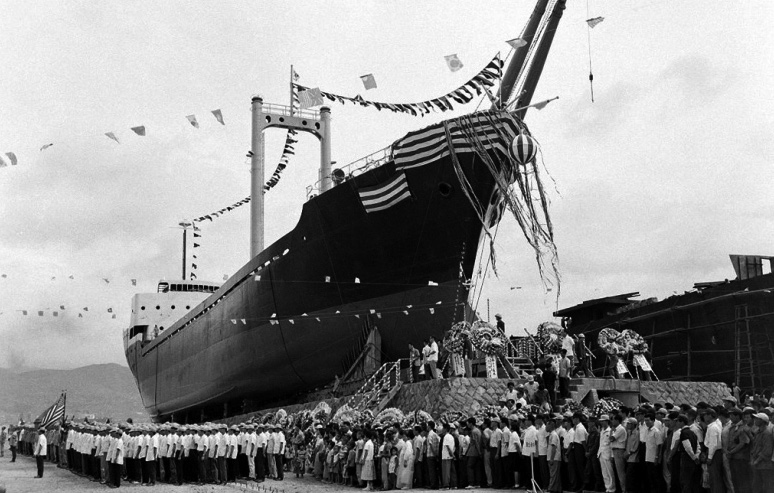
Mar. 1994 Renamed Hanjin Construction Co., Ltd., now the Construction Division
Seoul Shipping Center Building
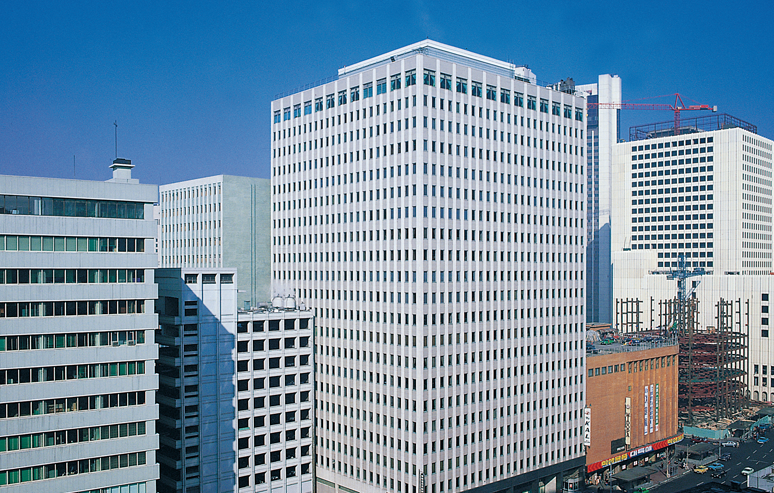
Exported twenty 250-ton fishing vessels to Taiwan.
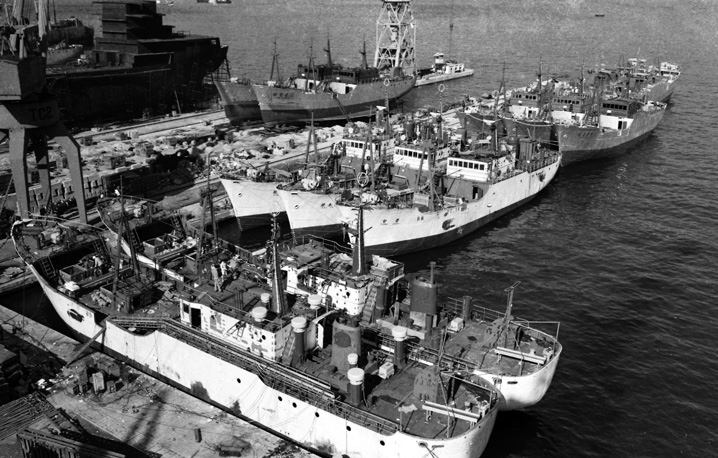
During the 1970s, the company expanded its second dock to a capacity of 60,000 tons and significantly strengthened its infrastructure, including a large-scale assembly yard. Building on this foundation, it achieved a series of landmark shipbuilding milestones, including Korea’s first oil drilling rig and car carrier in 1977 and the world’s first 37,000-ton multipurpose cargo vessel in 1983, earning international recognition for its technological capabilities. At the same time, the company became the first Korean construction company to successfully enter overseas markets including Malaysia, the Philippines, and Saudi Arabia, firmly establishing the foundation for a global enterprise spanning both land and sea.
Oil jetty project at Tawau Port, Sabah
Haksaeng-ho
General Santos Road Project, Mindanao
Built and delivered the 18,000-ton bulk carrier PAN KOREA

Umluj?Al Wajh Road Project
Five 30,000-ton vessels for Gulf, U.S.A.
Signed a contract for port cargo handling and maintenance in Khorramshahr
For A.P. Moller, Denmark
For Stolt-Nielsen, Norway
At the 1st Construction Day
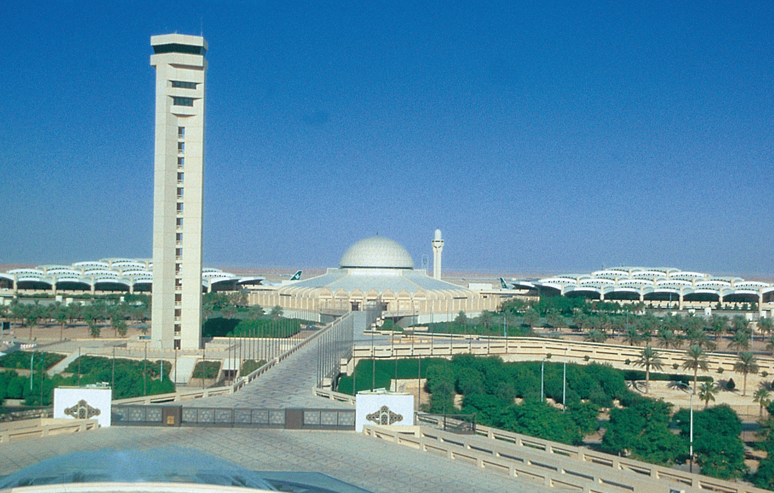
Jeddah, Saudi Arabia-December 1987
For Salen, Sweden
Hanjin Apartments, Dongsomun, Seoul
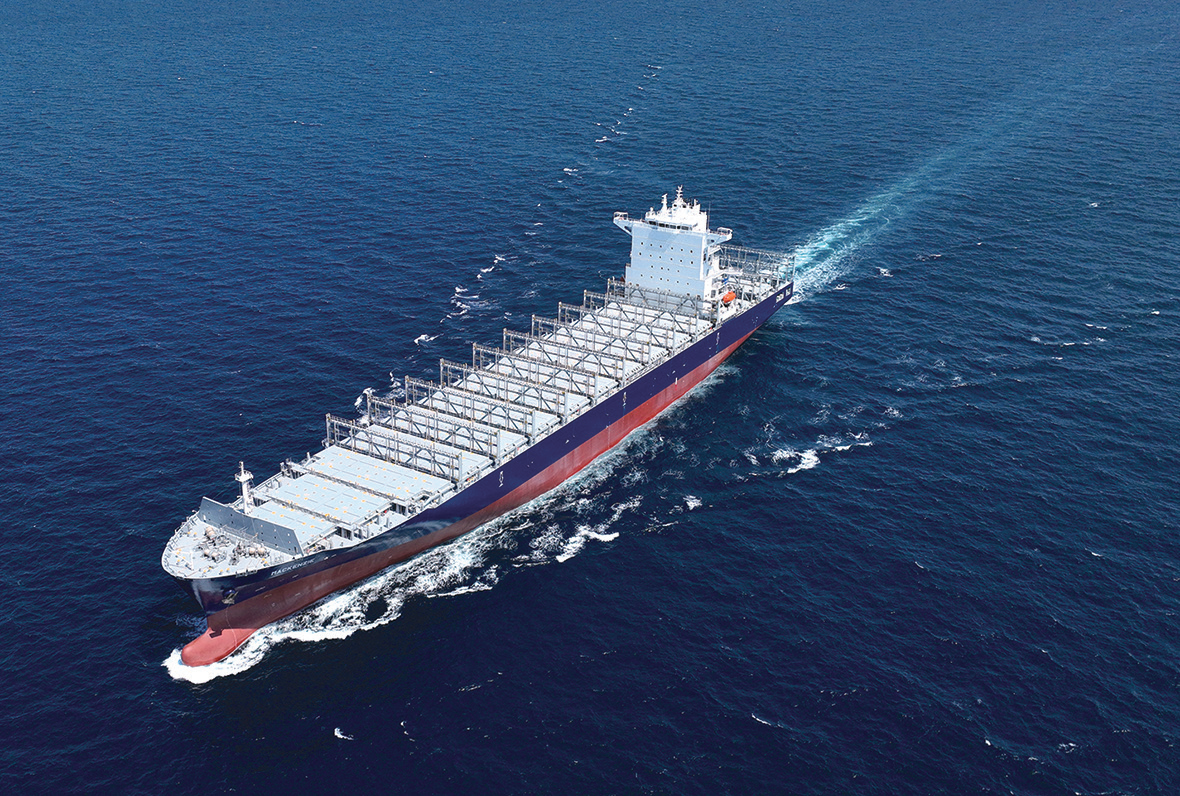
HJ Shipbuilding & Construction achieved numerous industry firsts, including Asia’s first membrane-type LNG carrier, the world’s fastest container ship, and Korea’s first submarine fiber-optic cable-laying vessel. The company also developed innovative construction methods, including the GPE, SKID, and DAM methods, while leading the research and development of new types of vessels such as WIG craft and Ro-PAX vessels. Through these achievements, the company contributed to strengthening Korea’s position as a global shipbuilding powerhouse.
130,637m³ LNG carrier “Hanjin Pyeongtaek”
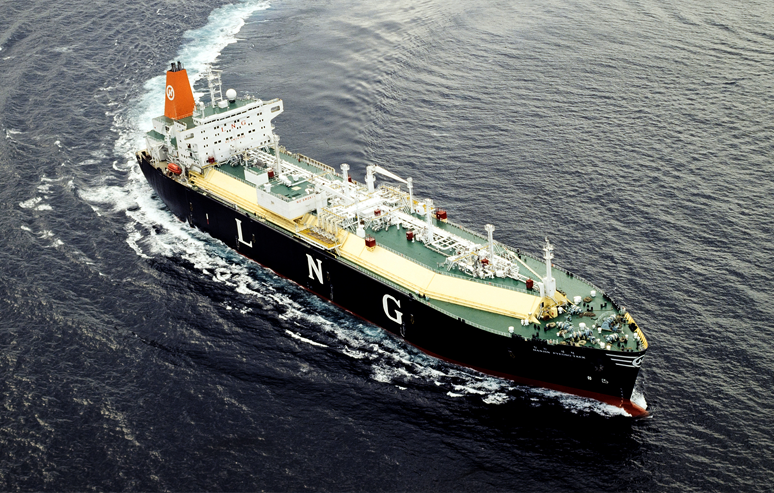

Developed and applied the world’s first “Float Mating” construction method.
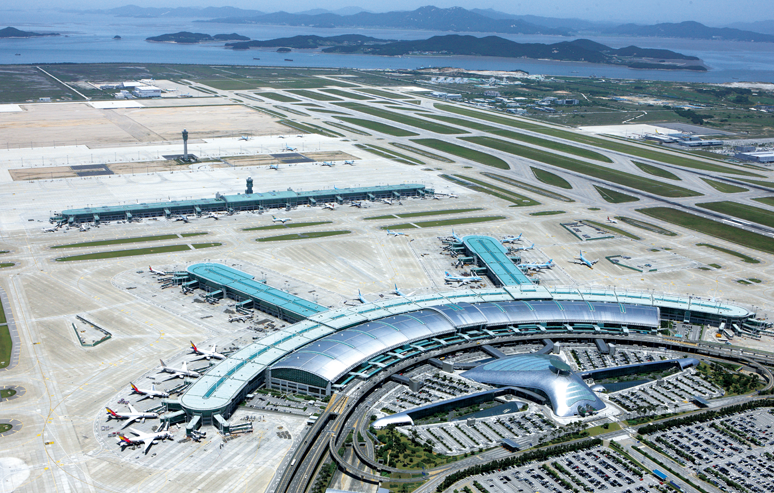
A construction method in which sections extending beyond the dock are assembled into blocks on land and then welded and painted underwater using a DAM(a cofferdam structure designed for underwater welding).
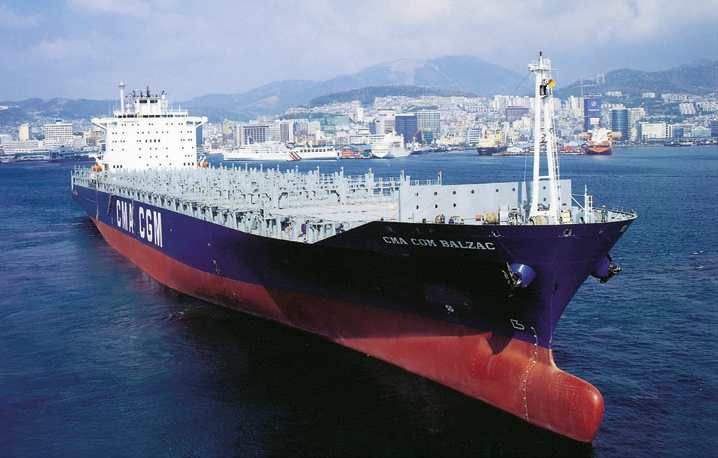
Separated from the Hanjin Group.
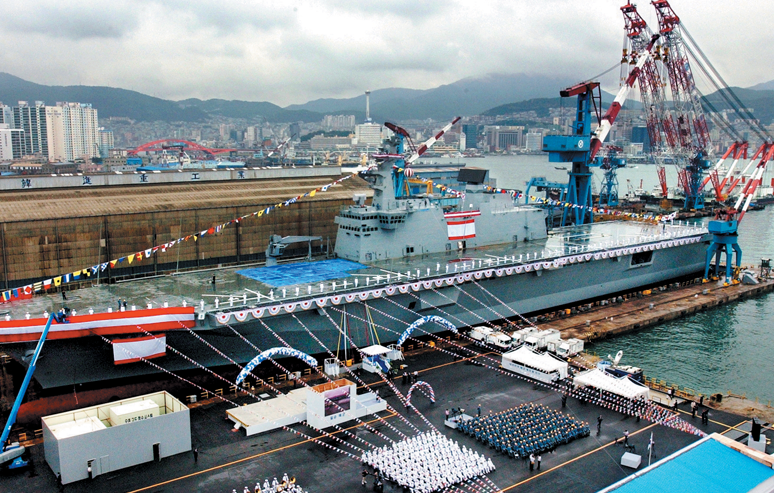
In 2006, the company successfully launched its eco-friendly residential brand, HAEMORO, leading new trends in the construction market. It also demonstrated its outstanding technological capabilities through the construction of state-of-the-art special-purpose vessels, including the icebreaker “Araon”, the “ROKS Dokdo”, and next-generation high-speed landing craft. Building on these achievements, the company changed its name to HJ Shipbuilding & Construction in 2022, marking a new leap forward as a comprehensive heavy industry and construction company. Furthermore, leveraging its advanced naval shipbuilding capabilities, the company has expanded into the MRO (Maintenance, Repair and Overhaul) business and continues to earn strong trust as one of Korea’s leading partners in strengthening the nation’s maritime defense capabilities.